When the pilgrims sang Psalm 121 on their long climb toward Jerusalem, they weren’t asking God to remove every obstacle from their path and instead were asking to be held through whatever lay ahead. That ancient prayer finds new urgency today, when institutions are crumbling, trust is in short supply, and a young couple searching for a faith community confesses they’re terrified of a bait-and-switch.
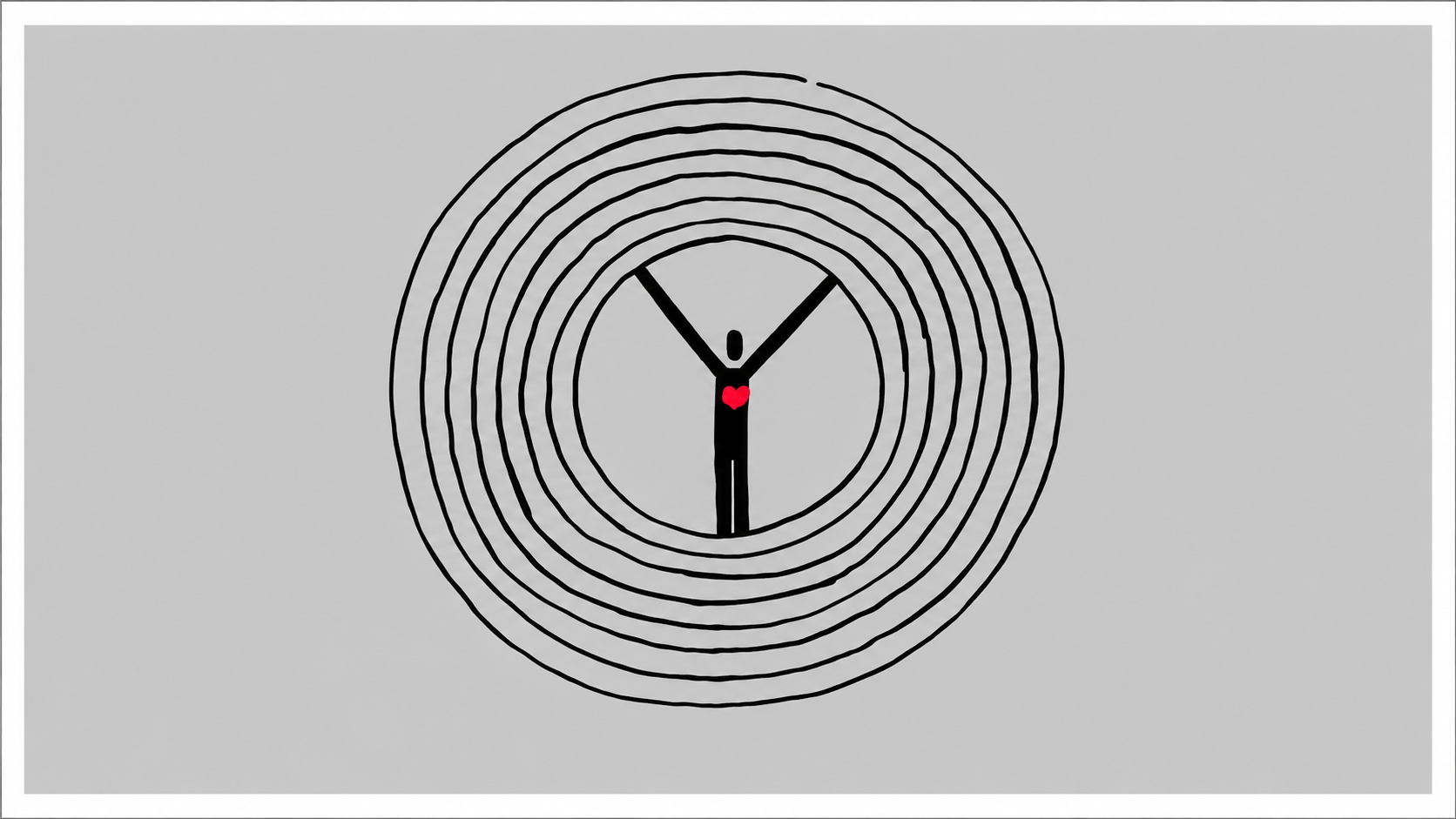
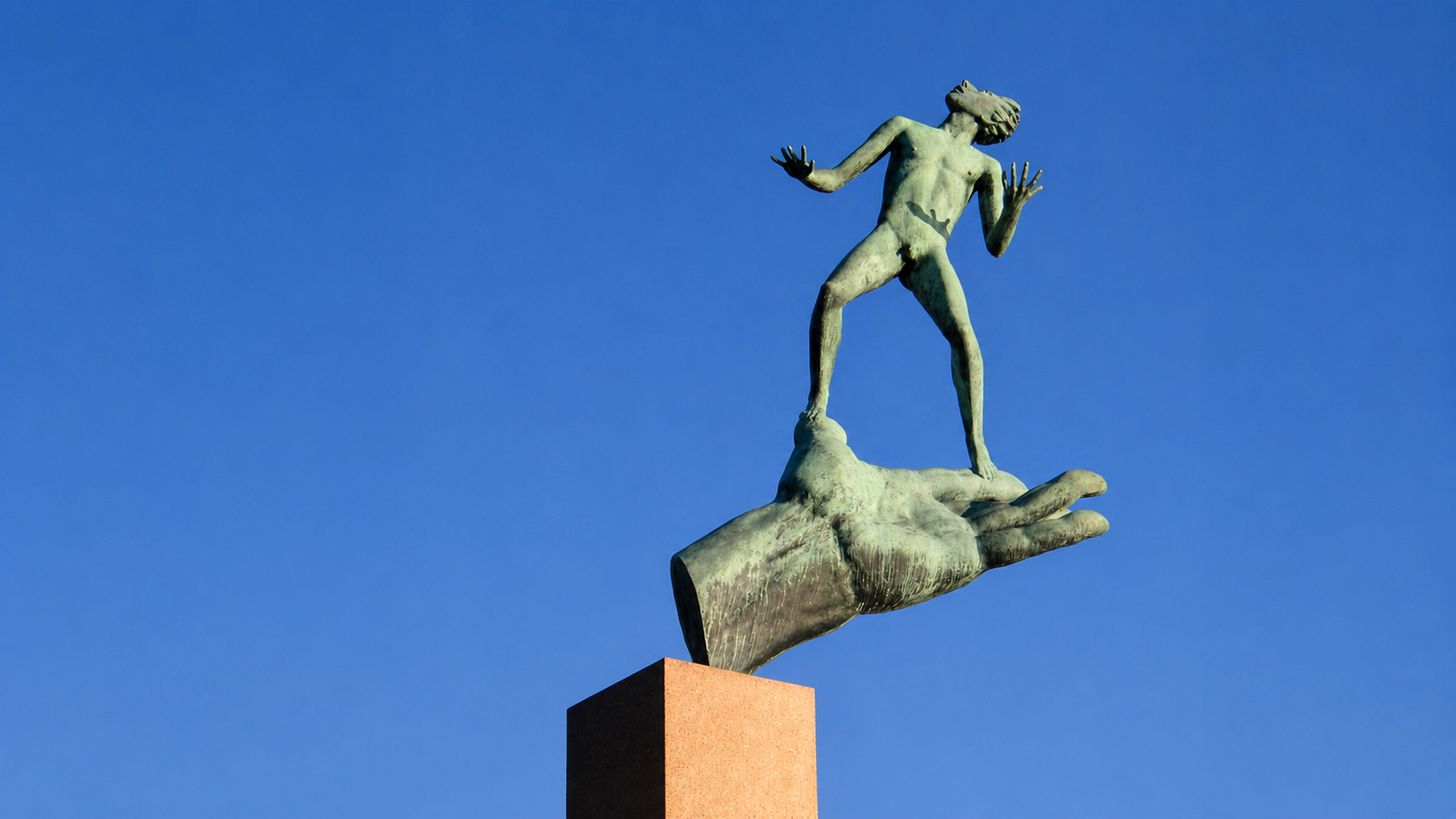
The word keep appears six times in just eight verses, and its meaning is layered and demanding: permanence, unswerving loyalty, provision, and care. What Lent asks of you isn’t to figure out what you can hold onto, but to wrestle honestly with what it means to be held by love, by community, by the sacred thread that runs through all of creation from the cosmic to the deeply personal.
The sermon’s most surprising teacher is a man named Tom, who, upon receiving a terminal cancer diagnosis, did not plan a funeral. He threw a death party and flew friends in from around the world, played drums with his old punk rock bandmates, served his favorite food, and then stood before the room to ask those who loved him to keep him in their hearts. His story illuminates one of faith’s most disorienting paradoxes: that suffering, approached reverently rather than avoided, can become the very source of our flourishing. Like a vaccine that uses a weakened form of a pathogen to build the body’s immunity, the wound leaves behind not just healing but wisdom, a memory in the body that protects you going forward.
“Love protects us from nothing, but sustains us in all things.”
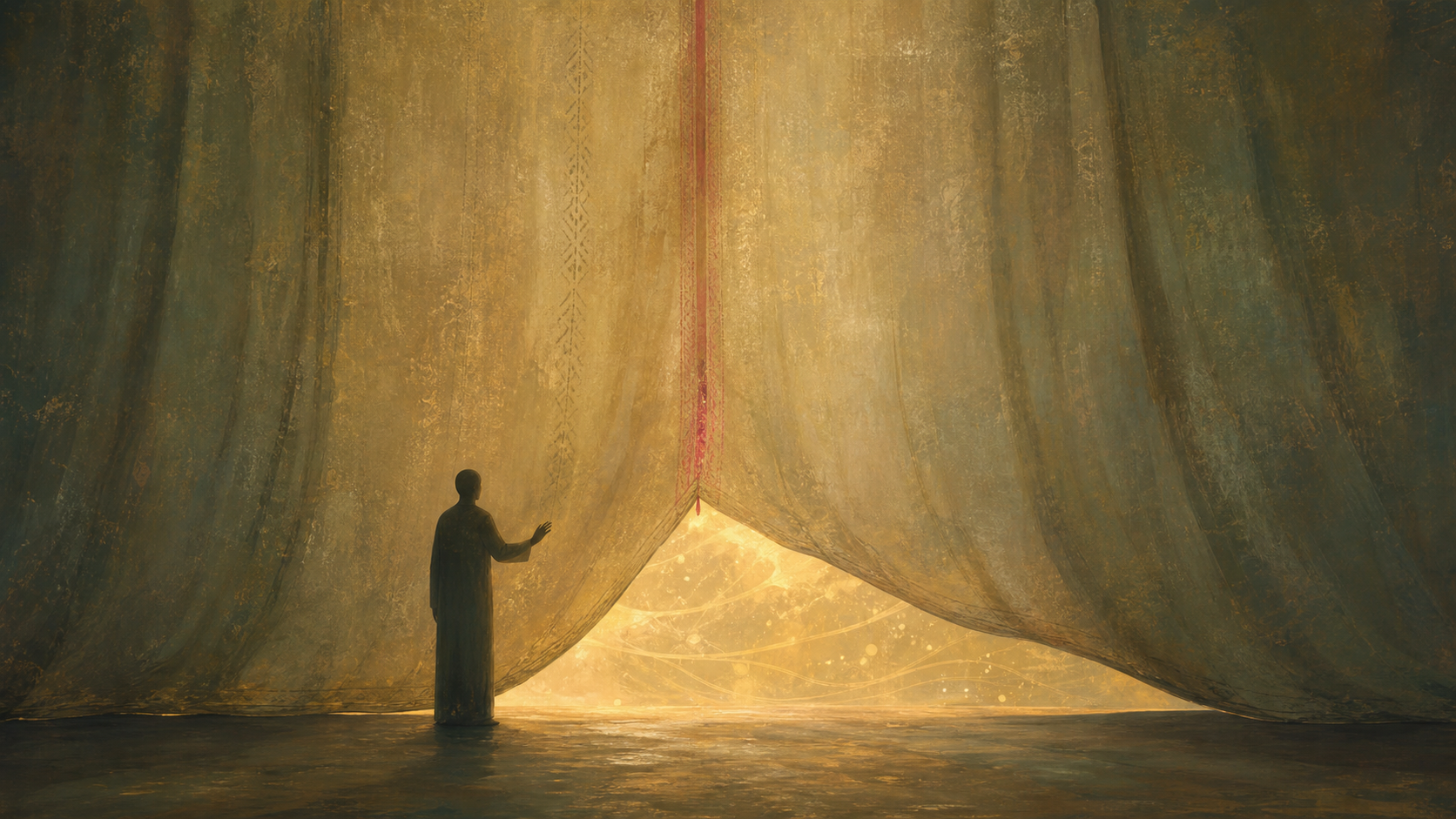
This is the Lenten invitation: not to spiritual armor, but to spiritual surrender. You inherit a faith that was never really yours to keep, passed to you in trust to nurture and carry forward. The young couple at the edge of the church door, hungry for community but scarred by institutions that chose power over people, is asking whether you will allow yourself to be changed by them. Whether you’ll open your heart not just to welcome them, but to learn from them.
Like the psalmist climbing toward a Jerusalem that holds both cross and resurrection, you make your way through wilderness terrain not because the road is safe, but because the keeping is real and the dance, even at life’s most terminal edge, is still worth joining.