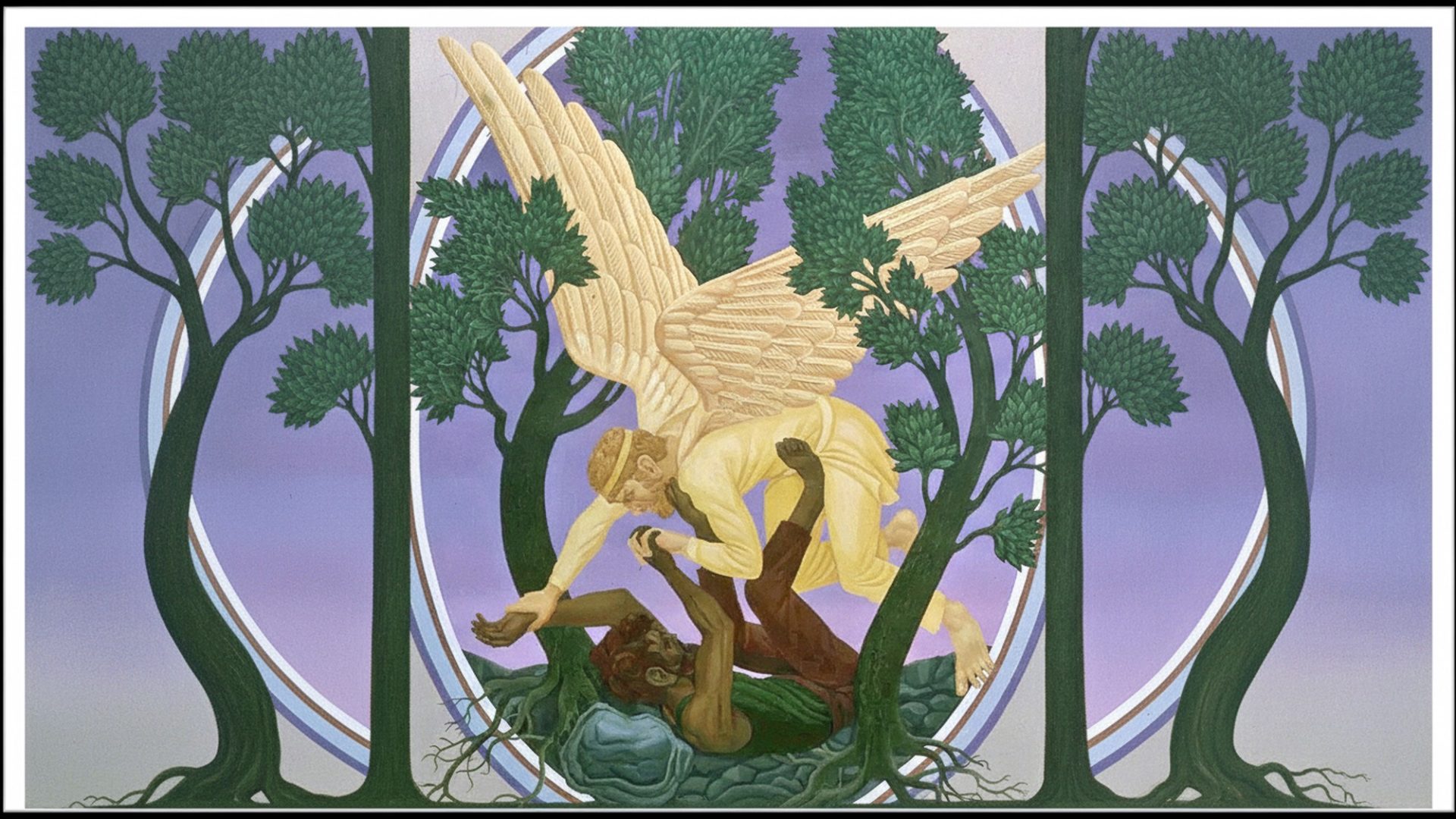
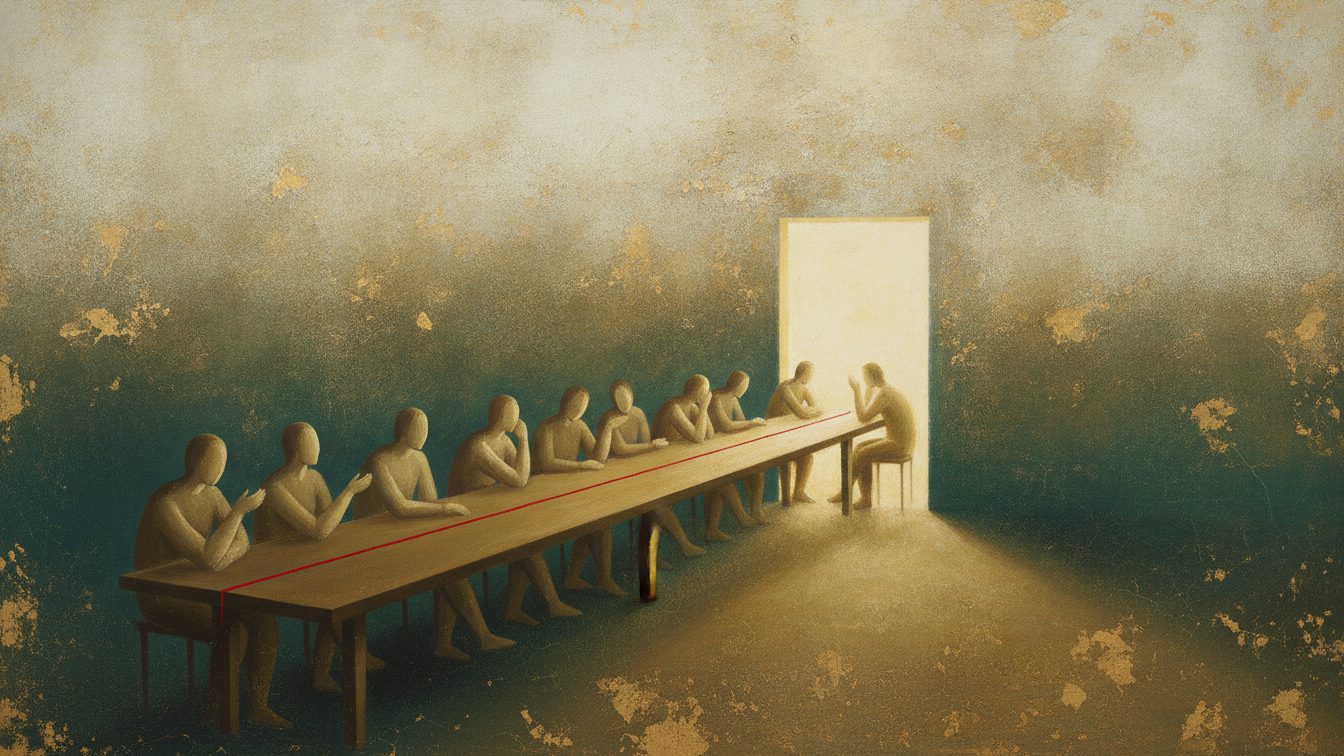
There are few passages in scripture more honest than Romans 7, where Paul sets aside the polished theologian and speaks like someone in a circle of folding chairs, a paper cup of coffee in hand: “I do not do what I want, but I do the very thing that I hate.” You know this confession because it is your own. You did not mean to lose your temper, to overspend, to withdraw from the people who love you, to feed a resentment until it stole your whole day, and yet you did.
This is the contradiction at the heart of being human: born with the capacity for breathtaking compassion and astonishing indifference, able to be the very way God’s love enters the world, and also the source of its deepest and most painful wounds.
But notice what Paul does not ask. He does not say, “How can I rescue myself?” He asks, “Who will rescue me?” and that question changes everything. The doorway to freedom opens not with strength or certainty or the pretense of having it all together, but with surrender, with the honest admission that you cannot save yourself. It sounds almost offensive in a culture obsessed with self-sufficiency and pulling ourselves up by our bootstraps, yet the gospel runs counter to our instincts.
The “flesh” Paul names is not the body but the small, easily bruised ego — the walls you build to avoid being hurt, the offenses you nurse until they take on a life of their own. When you grow curious about what offends you, stepping back long enough to say “that’s not really me; I don’t need that today,” you begin to taste what recovery calls emotional sobriety.
“We surrender to win. We die to live. We give away our lives to discover them. And we suffer in order to heal.”
This is the paradox every recovering soul understands: powerlessness worn openly becomes its own strange power, and a transformed life becomes an invitation no advertisement could match. The early church had no marketing department; it simply became a people who loved others well — who forgave, shared what they had, welcomed strangers, and tended the sick until others looked on and said, “I want what they have.”
Perhaps the better question for any community of faith is not how to fill a room, but whether anyone would look at the way we love and wonder what grace is at work among us. This is First Plymouth’s invitation and its calling: to be a safe place to tell the truth, where everyone struggles, and everyone is loved, where even our woundedness becomes a living invitation to hope. Accept it, and everything is made new.