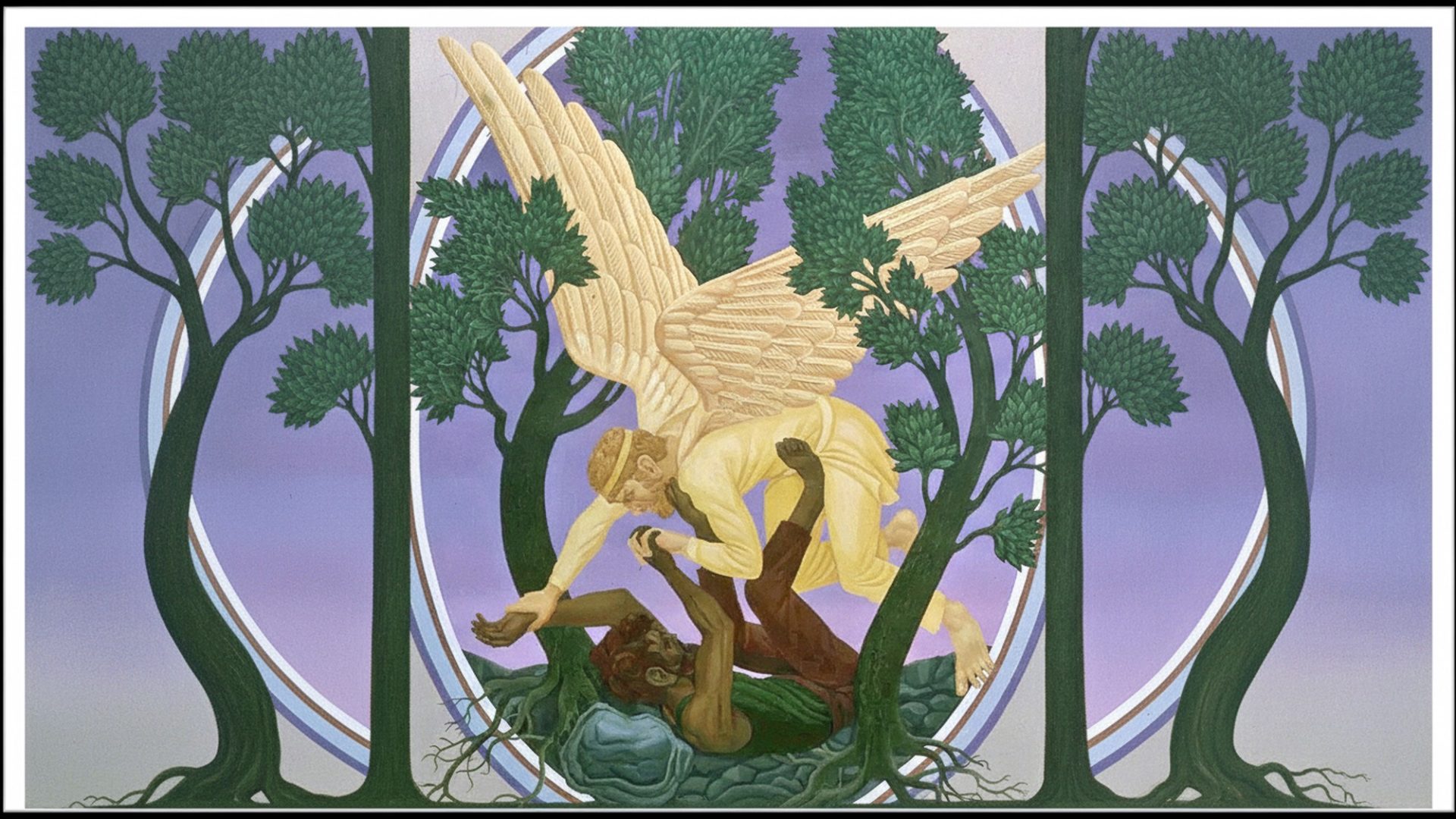
When you look back at the formation of the United Church of Christ in 1957, you discover something remarkable and deeply uncomfortable. Five theological traditions came together to create something unprecedented with a deliberately multi-racial church at a time when nearly every American Christian denomination still operated along the racial fault lines drawn during slavery and the Civil War.
The white churches said all the right things and showed up ready to merge, but the Black churches hesitated, and they had every reason to. It wasn’t about what anyone said or did on the surface, but was more about the structures underneath, the assumptions beneath the surface, the ideology running behind the scenes that gave those Black Christians pause.
“Racism is a structure. It’s an ideology. It’s a cultural operating system. It’s a set of assumptions on which our society operates — and it operates whether a prominent person shares an offensive video or not, or whether that person belongs to your political party or not.”
Like Jesus choosing to climb the mountain of transfiguration, you are called to choose transformation rather than preservation —not at the beginning of his journey, but near its end, when he understood his tradition well enough to wrestle with it. The Black churches in 1957 were right to be suspicious, and history bore out their fears.
Yet history also proved they were right to choose unity, because transfiguration has come, imperfect and ongoing as it is. During Black History Month, predominantly white churches face a particular temptation to declare victory and claim the right side of history. Remember that Martin Luther King Jr.’s letter from a Birmingham jail was written squarely to white moderate clergy who counseled patience and accommodation.
This is not a moment to pretend, but a moment to notice that God is already changing us, and to choose the continuing journey of transformation with honesty, courage, and faith.