Galileo got himself into serious trouble for suggesting that the Earth revolves around the Sun. The scandal, really, was perspective. For centuries, human beings had assumed everything revolved around us, and daring to say otherwise was treated as heresy. You might feel that same quiet resistance when you sense your own life is not, in fact, the center of the universe. Paul names this in Romans 6 as a kind of revolution of the soul, a Copernican shift away from the ego that is always keeping score, always asking who is winning and who is losing.
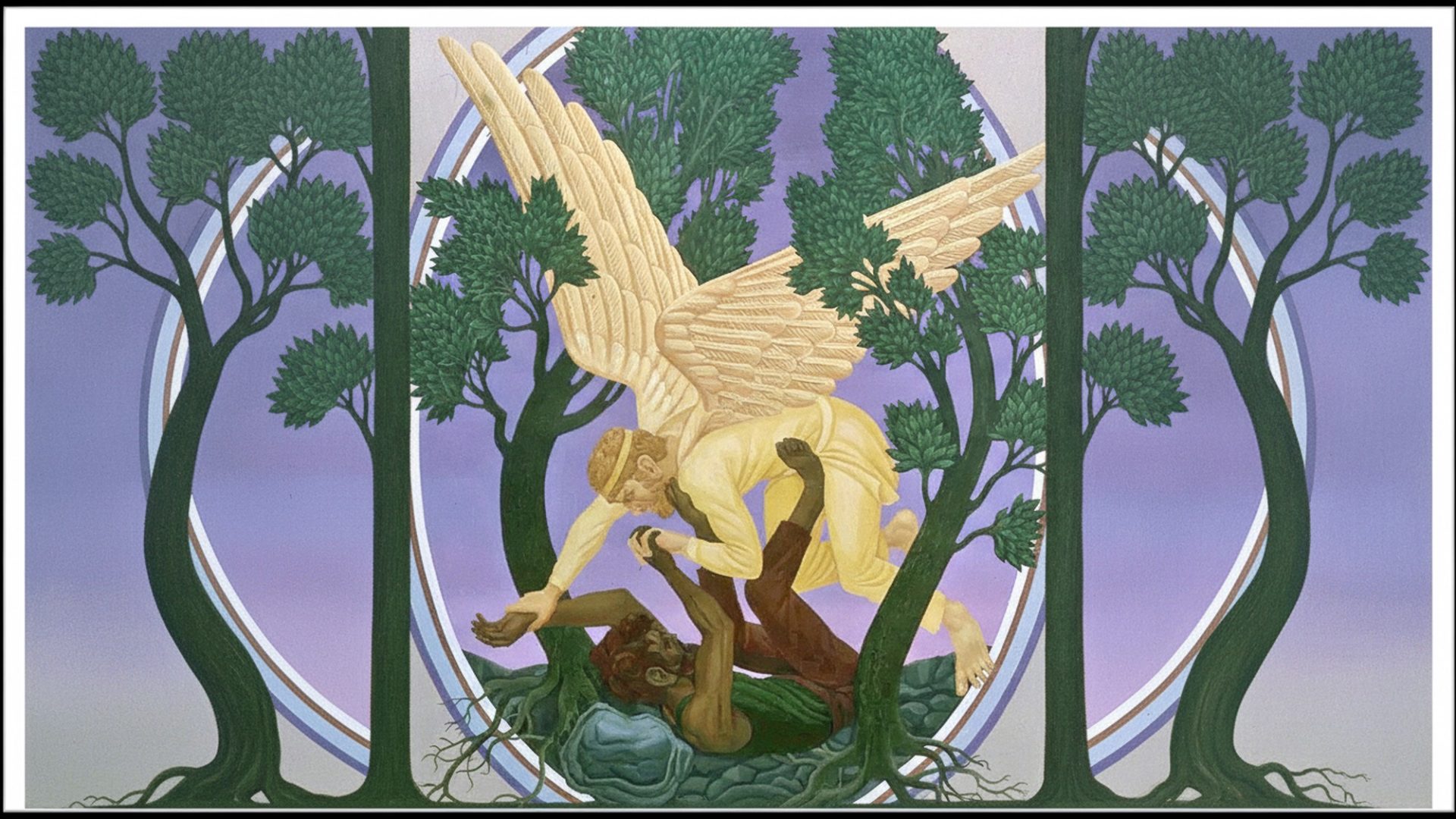
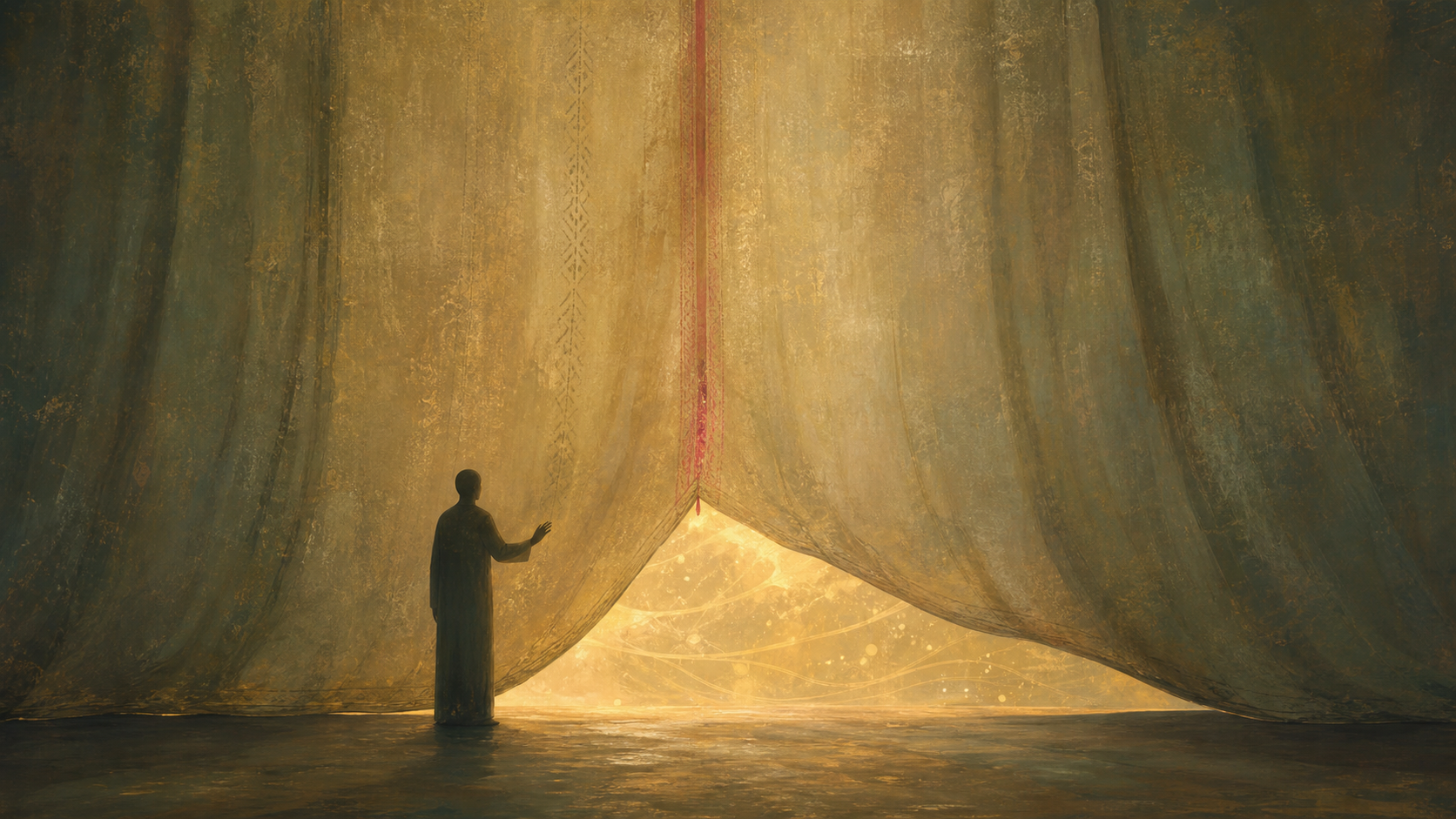
Paul does not invite you to manage or improve your ego. He invites you to die to it. Not the death of the body, but the death of the false self, the illusion that you are self-made and self-sufficient. Think of it as an ego nap, a long one, the kind where the ego does not wake up trying to run the show anymore. Every season of life asks you to release something. A dream dies, a certainty dies, a future you were counting on dies. And each of those small deaths asks the same question: can you trust God enough to let go? Baptism, Paul says, is the dress rehearsal. You go down into the water, you surrender control, and God raises you as something new.
“The good news of the gospel is that what dies is not our true self. What dies is everything that keeps our true self hidden.”
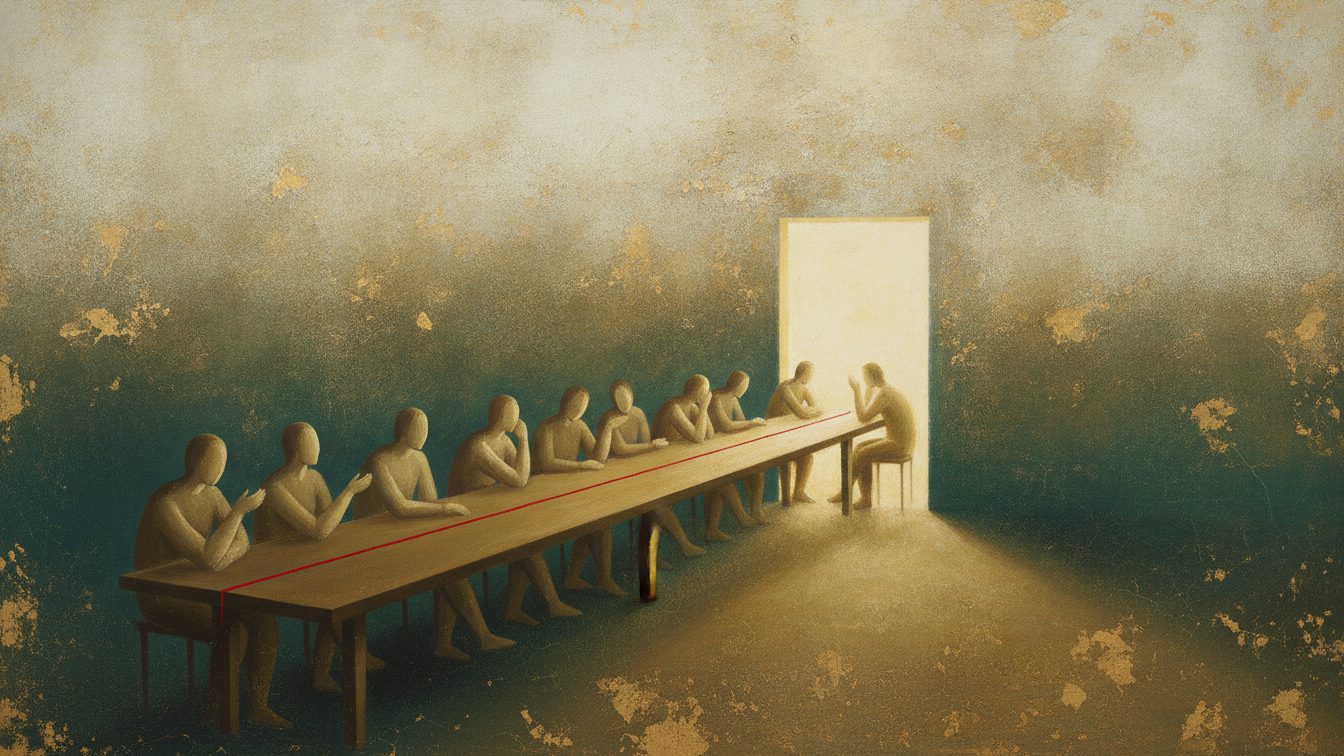
The ego asks how to get ahead, while the soul asks how to become compassionate. One sees scarcity, competition, and hierarchy; the other sees abundance, relationship, and belovedness. Following Jesus this way is genuinely life-threatening, but only if you are afraid of losing the life you already have. The ego goes down in the water, and love rises up. Fear goes down, and freedom rises. This is the daily, hopeful work that First Plymouth holds at its center: a community learning to move from fear-driven to love-drawn, burying what must be buried and raising up what reflects God’s love, so that the beloved child of God can finally rise.