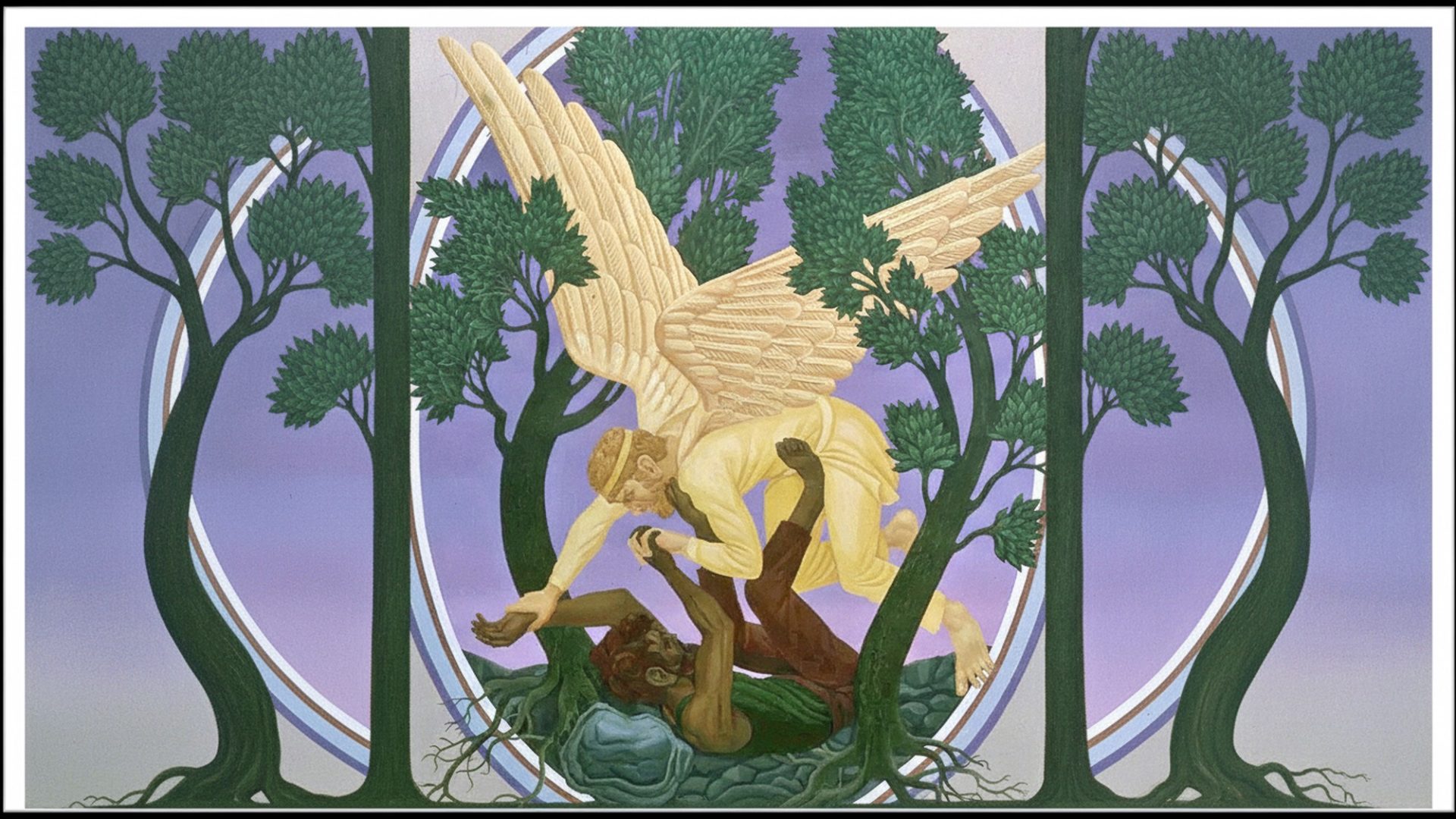
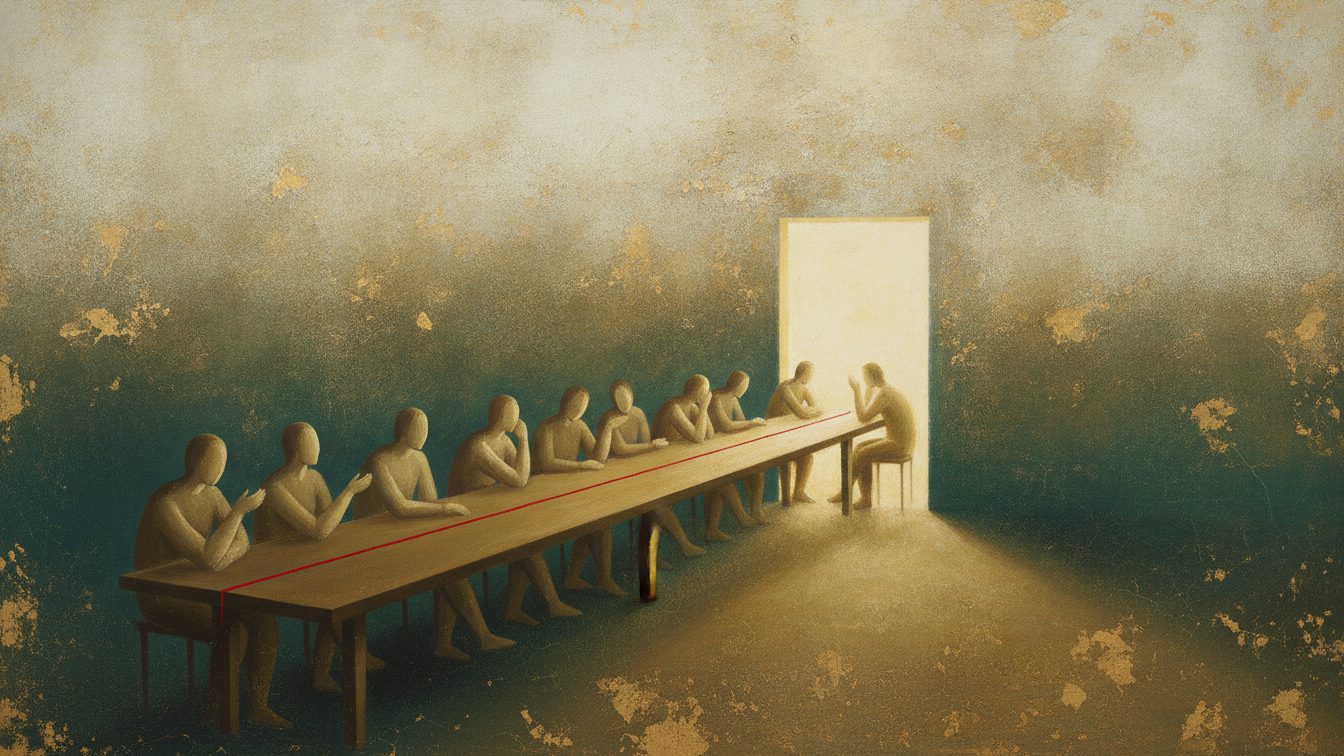
You may have grown up hearing that Pentecost is the birthday of the church. Or you may have heard it called the grand debut of the Holy Spirit. Both stories are familiar shorthand, and both carry some truth. But sit with the strange details of the Pentecost narrative, the violent wind, the tongues of fire, the long list of nationalities, the accusations of drunkenness, and you start to sense that something deeper and stranger is happening. Beneath all that weirdness lies the heart of why the church came into being in the first place.
Look closely at that crowd in the book of Acts. Parthians, Cappadocians, Egyptians, Libyans, Cretans, Romans, people gathered together from every nation under heaven. They were politically different. They were culturally different. Most of all, they were linguistically different. And it was that collection of differences, not some collection of sameness, that became the raw material of the church.
The Holy Spirit did not show up to flatten everyone into uniformity, nor to ratify every wall that human beings build between themselves. The Spirit showed up to turn divisions into understanding and to turn differences into purpose. In this story, inclusion is not a luxury, a marketing strategy, or a nice extra. Inclusion is the blueprint.
“Inclusion isn’t something we should do. Inclusion is what we are supposed to be. Inclusion is the thing that makes a church a church.”
At First Plymouth, you are part of a community gathered not because everyone looks, votes, prays, or lives the same way. You are drawn together across gender, race, income, sexuality, politics, theology, age, ability, and lived experience. That diversity is not a problem to manage. It is the very ground on which the Holy Spirit calls a church into being.
When you listen for the native language of another, when you learn to speak across difference, when you watch for the fire of the Spirit flaring up among you, you continue the work that began on that first Pentecost. You become part of a community that is stronger because it is unified, even and especially when it is not the same.