You step outside your Littleton home on a late summer morning, and something feels different.
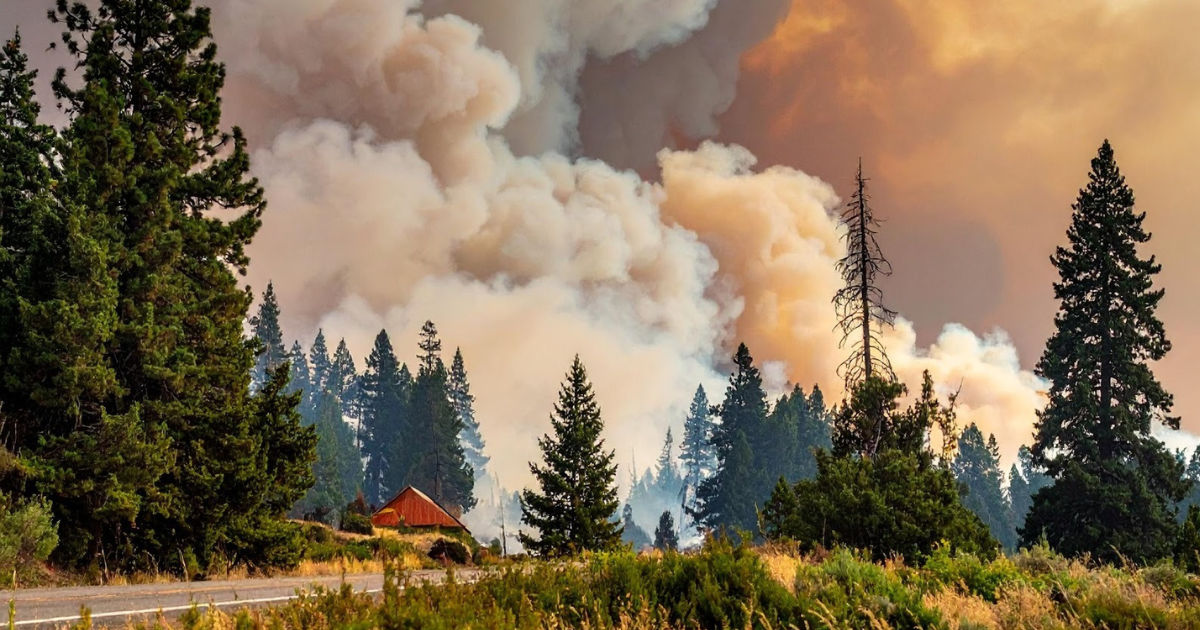
One summer at our church’s annual camp, wildfire smoke rolled into the area. The kids kept asking: “Why is this happening?” It’s the question on all our minds when asked why the mountains look hazy again, and you realize you’re witnessing firsthand what climate change means for the state of Colorado.
Our beloved state stands at a crossroads where rising temperatures intersect with ancient ecosystems, where the Colorado River’s dwindling flow poses a threat to communities from the Western Slope to the Front Range. The climate crisis isn’t some distant concern. It’s reshaping the landscape your family calls home, altering everything from wildfire patterns to the timing of spring runoff.
As people of faith called to steward creation, we cannot ignore how greenhouse gas emissions and warming temperatures are transforming Colorado’s delicate balance. The extreme weather events that once seemed rare now arrive with alarming frequency, challenging our communities and testing our resilience.
Understanding what climate change means for Colorado requires us to examine how these shifts affect our most vulnerable neighbors, our water security, and the natural world we’re called to protect. From the alpine tundra to eastern Colorado’s grasslands, the climate crisis demands both our attention and our faithful response.
Why Climate Change Is a Crisis in Colorado
Colorado’s temperatures have increased by approximately 2°F since the 1980s, with research from Colorado State University documenting faster warming in high-elevation regions. This isn’t a distant threat. It’s happening now, in our neighborhoods and mountains.
The word “crisis” reflects urgency because climate change is no longer something our grandchildren will face; it is something we must address now. It’s an emergency unfolding before our eyes. Scientists agree that we’re experiencing unprecedented change. Recent trends show that 2024 became one of the hottest years on record globally, and Colorado mirrors these patterns with increasing intensity.
Warming temperatures trigger a cascade of effects throughout our ecosystems. Earlier snowmelt reduces summer soil moisture when crops and wildlife need water most. Extended wildfire seasons pose a threat to both natural habitats and human settlements across the Front Range and beyond.
Regional Climate Impacts Across Colorado
The climate crisis shows up differently depending on where you live in our state. Eastern Colorado experiences intensified drought conditions and extreme heat events that stress agricultural systems and farming communities. Mountainous areas experience altered precipitation patterns and reduced water supplies during the critical summer months when demand peaks.
Climate model projections indicate these trends will accelerate under even medium to low emissions scenarios. This reality means Colorado’s climate will look fundamentally different within our children’s lifetimes. We must frame our response not just as environmental stewardship, but as a moral imperative to protect the most vulnerable among us.
Climate Change as a Sacred Responsibility
Colorado’s ecosystems are transforming at unprecedented rates. Rising temperatures have pushed treelines higher and altered wildlife migration patterns across our state. The warming we observe represents more than statistical data. It signals a disruption of the intricate balance that sustains all life.
Genesis tells us that God entrusted humanity with the care of creation. Today, that sacred responsibility faces real challenges as climate extremes reshape our landscape. Our response must be grounded in both scientific understanding and spiritual wisdom, and this makes environmental stewardship inseparable from social justice.
The impact of climate change on Colorado extends beyond environmental concerns. It encompasses our moral obligation as stewards of God’s creation. The climate crisis demands we examine how our daily choices either honor or betray this sacred trust.
Colorado State University research indicates that greenhouse gas emissions continue to drive extreme weather events across our state. From devastating forest fires in eastern Colorado to extreme precipitation that overwhelms urban infrastructure, these climate extremes disproportionately affect vulnerable populations.
Taking Faithful Action on Climate
Scripture calls us to be wise stewards who consider the consequences of our actions on future generations. Climate model projections from the same CSU study indicate that Colorado’s climate will continue to shift, affecting everything from summer soil moisture to Colorado River flows that sustain millions of people.
Here are practical ways you can respond faithfully to this crisis.
- Reduce energy consumption by using efficient appliances and renewable energy sources to lower fossil fuel use.
- Support clean transportation by choosing to walk, cycle, or use electric vehicles to reduce carbon dioxide emissions.
- Advocate for policy change by contacting representatives about legislation addressing ozone pollution and air quality concerns.
- Practice water conservation by implementing drought-resistant landscaping to preserve precious water resources.
- Engage community action by joining local environmental justice initiatives that address climate impacts on marginalized populations.
These practices show that caring for creation means caring for one another, especially those most vulnerable to extreme heat and changing weather patterns. When you act faithfully on climate change in Colorado, you participate in God’s ongoing work of restoration and healing. Now let’s look at how water scarcity affects our state.
Water Scarcity Threatens Colorado Communities
The Colorado River Basin now operates under conditions that challenge every assumption about resource availability. Reservoir levels have dropped to historically unprecedented lows, with Lake Powell and Lake Mead operating at less than 30% capacity.
These declining water supplies force difficult conversations about agricultural water usage, urban conservation mandates, and how we sustain growing communities in an increasingly arid landscape.
Urban Water Challenges
Front Range communities that once took water security for granted now plan for a future with less water available. Urban areas implement increasingly strict usage restrictions as warming temperatures accelerate snowmelt timing. The Colorado Sun reports that climate model projections indicate these patterns will intensify, fundamentally altering precipitation patterns that have supported Colorado’s growth for generations.
Agricultural Water Crisis
Eastern Colorado farmers already face impossible choices between crop survival and water conservation. Rising temperatures reduce summer soil moisture when crops and ecosystems need water most. These challenges pose a threat to food security and rural livelihoods across the state.
Scripture teaches us that water represents life itself, making equitable access a moral imperative. Climate change in Colorado disproportionately affects communities with limited resources to adapt to water scarcity. Faithful stewardship requires both personal conservation and systemic advocacy to protect this essential resource for future generations, particularly our most vulnerable neighbors who are experiencing housing insecurity.
Wildfire Risk Escalates Across the State
Colorado’s escalating wildfire crisis now defines summer months across mountain communities. The state experiences significantly more wildfire activity today compared to three decades ago, with warming temperatures extending fire seasons by several weeks.
These forest fires represent more than natural disasters. They signal fundamental shifts in Colorado’s climate that demand both spiritual reflection and practical response.
The biblical story of the burning bush offers wisdom for our current moment. Moses encountered the divine presence through a flame that consumed nothing, yet Colorado’s wildfires consume everything in their path, leaving communities to rebuild from ashes and memories.
Changing Fire Patterns
The Colorado Sun documents how extreme weather events now create conditions in which fires burn hotter and spread faster than historical patterns had predicted. Rising temperatures reduce summer soil moisture, creating tinderbox conditions that transform entire watersheds into vulnerable landscapes.
Climate model projections indicate that even under medium to low-emissions scenarios, Colorado will face increasingly severe fire seasons. Mountain community vulnerabilities multiply as extreme heat creates conditions where traditional fire suppression methods prove inadequate.
Eastern Colorado faces different but equally serious challenges. Drought conditions and greenhouse gas emissions combine to create fire risks in previously stable grassland areas. These expanding fire zones compel us to reassess how we construct, where we reside, and how we safeguard the most vulnerable members of our communities. Being prepared with evacuation plans and home hardening measures can save lives.
What You Can Do Now
Your choices matter more than you might think. People everywhere are taking action, and small, consistent choices add up, especially when we make them together as a community.
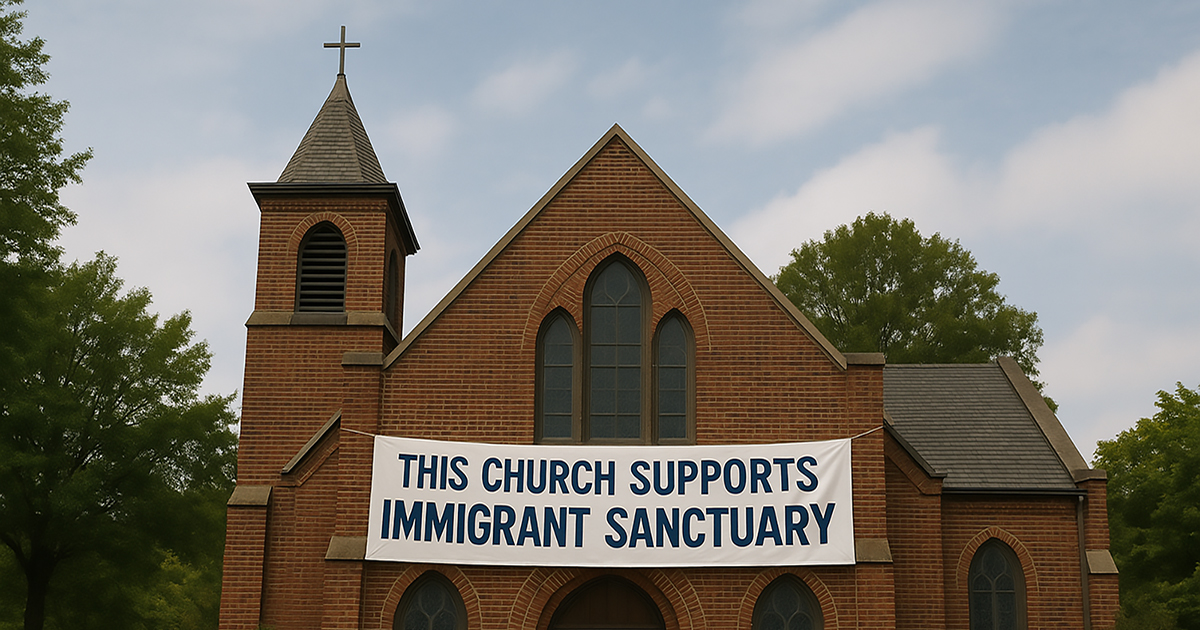
At First Plymouth Congregational Church, our Creation Justice ministry has become an integral part of our mission. We’re committed to stewardship of the earth and environmental justice because we recognize this isn’t just an environmental issue. It’s a moral one that calls us to protect our neighbors and future generations.
Personal Actions That Make a Difference
You don’t need to make dramatic changes overnight. Here are practical steps you can take starting today.
- Reduce meat consumption, especially red meat, since livestock agriculture is a significant source of greenhouse gas emissions.
- Waste less food by planning meals, using leftovers, and composting food scraps to reduce methane emissions from landfills.
- Enhance home efficiency with improved insulation, efficient heating and cooling systems, and LED lighting to reduce fossil fuel consumption.
- Choose sustainable transportation by using public transit, biking, walking, or carpooling when possible to decrease carbon dioxide emissions.
- Support local agriculture by buying from Colorado farmers and farmers markets to reduce transportation emissions.
- Advocate for change by voting for candidates who support strong climate policy and contacting local representatives.
- Divest from fossil fuels by choosing sustainable investment funds and supporting businesses with environmentally responsible practices.
- Engage with your faith community around environmental justice and creation care.
These lifestyle changes reflect your values and demonstrate care for creation in tangible ways. When you reduce your energy consumption and advocate for systemic change, you participate in God’s work of restoration.
How First Plymouth Takes Action
Our church community has taken concrete steps to address the climate crisis. Our Climate Action Team meets regularly to work on multiple levels of engagement.
- Operational Changes: We’ve replaced all lighting in our building with LED fixtures, saving approximately $3,800 per year in energy costs and reducing roughly 36 tons of carbon dioxide emissions annually. We host an annual e-waste recycling event to prevent old electronics from ending up in landfills. We use compostable tableware at church events and maintain recycling and composting bins throughout our building.
- Spiritual Integration: Our Green Energy Fund finances physical projects that reduce global warming. We’ve integrated the spiritual aspect of climate change into our worship, education, and advocacy. We recognize that caring for creation is a core part of our faith, not an optional add-on to church life.
You can replicate this model in your own faith community by starting with one practical change and building from there. Small actions create momentum for larger transformations. Learn more about our community outreach programs that address interconnected justice issues.
Finding Hope in the Climate Crisis
Colorado faces significant climate challenges. Our state’s temperatures continue to rise, extreme weather events are growing more frequent, and ecosystems are struggling to adapt. From alpine tundras to eastern grasslands, Colorado’s environments bear witness to unprecedented changes driven by greenhouse gas emissions and warming temperatures.
Yet what climate change means for Colorado transcends these environmental statistics. This crisis reveals the interconnectedness of vulnerability and resilience. It tells a story of communities coming together to protect what they love.
We are at a critical moment, and the window is quickly closing. But here’s what gives us hope. We’ve seen our church community come together and watched as volunteers transform our building. We’ve heard kids at camp ask hard questions about wildfire smoke, and then we’ve seen them grow into young people who refuse to accept “that’s just how it is.”
These are all acts of love for our neighbors, for future generations, for the creation we’ve been entrusted to care for. The climate crisis demands action, but it also offers opportunity for deeper connection to one another, to the land, and to the divine call to protect what we love.
Colorado’s climate transformation challenges us to recognize the delicate balance between human activity and ecological systems. It inspires a profound sense of responsibility and hope for collective resilience in the face of unprecedented change.
Love, as we know, always calls us to action. What will your response be? Consider joining us for worship to explore how faith and environmental stewardship intersect in building a more sustainable future.