“Give me your tired, your poor, your huddled masses yearning to breathe free.”
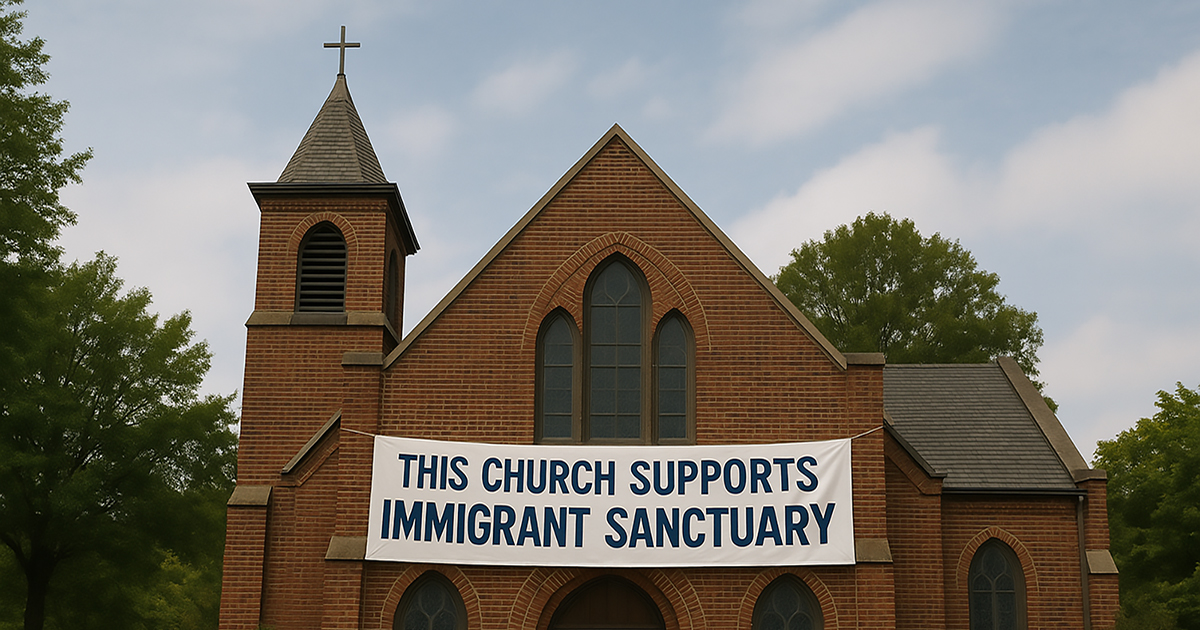
These words, etched on the Statue of Liberty, embody a timeless call to compassion. Churches can answer this call by transforming faith communities into beacons of hope for immigrants. By opening doors and hearts in our faith communities, we are profoundly impacting the lives of those seeking a new beginning.
The capacity to nurture and lend a loving hand increases exponentially when faith communities collaborate with local organizations and government agencies to provide resources for immigrant families. Newcomers’ needs include legal support and English language classes to job training, and housing assistance.
Why Immigration Reform Matters
Immigrants often face significant challenges as they settle into their new communities, including getting used to an unfamiliar culture, finding a job, and accessing essential services. These hurdles can be daunting, but faith communities and church ministries can play a pivotal role in easing the transition.
The United States has a long history of welcoming immigrants and providing them with opportunities to thrive. However, recent policies have made the process more difficult. This is where churches step in, filling the gap left by government programs and showing what true compassion looks like.
The US immigration system has undergone significant changes, particularly with legislative updates like the Immigration and Nationality Act of 1965, which transformed immigration policies and prioritization. Faith-based organizations are crucial in supporting immigrants and providing immediate and long-term services and advocacy to help them integrate into new communities.
Churches and religious communities have played their part, too. The Sanctuary Movement in the 1980s, driven by these communities, successfully campaigned for the Immigration Reform and Control Act of 1986, which provided legal status to millions and introduced new visa programs.
Providing Direct Support to Newly Arriving Refugees
Direct support is the backbone of immigration assistance initiatives. Immigrants often arrive with nothing but the clothes on their backs, so meeting their immediate needs and providing essential resources is the top priority. A hands-on approach ensures that newcomers feel welcomed and supported when they arrive. And many hands make light work.
Churches play a crucial role in resettlement efforts. In addition to meeting urgent requirements, this generous and heartfelt welcome lays the groundwork for long-term success. Offering continuous support and resources helps give immigrants a sense of belonging in this overwhelming and diverse new society.
Temporary Housing Solutions
In collaboration with resettlement agencies, churches can provide temporary housing solutions, depending on the available space, resources, and volunteer help.
- Transforming church spaces into temporary shelters
- Coordinating host families within the congregation
- Providing a safe and welcoming atmosphere for newcomers with loving interactions
These temporary housing solutions often serve as the first step in helping immigrants find stability and security.
Essential Supplies and Services
Organizing donation drives and providing meals is a long-standing tradition in faith communities; it’s the essence of Christian care. From food to clothing, these essential supplies make a world of difference. Here’s a closer look at what they offer:
- Food donations to ensure no one goes hungry
- Clothing drives to provide necessities for all seasons
- Household items to help furnish new homes
- Personal care products for daily needs
- Educational materials for learning and growth
Meeting immediate needs provides a solid foundation for newcomers as they integrate into the community.
Language Assistance
Churches can connect immigrants with bilingual volunteers to bridge communication gaps. Often, they are the ones who provide space and qualified volunteers for language classes. Learning English is crucial, and it helps immigrants feel more confident and self-reliant. The better their English proficiency, the faster they can adapt and thrive in their new environment.
Immigrant Settlement Efforts in Denver
First Plymouth Congregational Church has a robust Immigration Task Force. Over the last decade, they have stepped up to “be the hands and heart of Christ in the world” for people forced to flee their countries.
When the recent waves of desperate new arrivals came from Afghanistan, as well as from war-torn countries south of the United States, First Plymouth felt the call to action.
Real-life examples demonstrate the profound impact of First Plymouth’s initiatives on individuals and families. For instance:
- Maribel’s Journey: Maribel spent months in an Aurora detention center, experiencing deplorable conditions. A church family committed to sponsor her. Over the past years, with ongoing and tireless help, she transitioned from the detention center to a fully self-sufficient life with her family in Glenwood Springs.
- Afghan Family’s New Beginning: A family of nine, fleeing for their lives from the Taliban, found welcome and direct support with groceries, housing, furnishings, school enrollment, and much-appreciated ongoing assistance when needed.
- Emergency Assistance for Guatemalans: When busloads of Guatemalan immigrants arrived in Denver, First Plymouth stepped up to help. Within hours, volunteers organized food, shelter, and transportation, meeting the immediate needs of these folks on their way to family members living in other states.
- Venezuelan Families’ Fresh Start: When thousands of Venezuelans arrived in buses to Denver, First Plymouth became a temporary shelter for fourteen new arrivals. A team of volunteers mobilized, providing round-the-clock shelter and support at the church during a critical transition period.
Faith communities like FPCC amplify their impact through partnership and collaboration with government agencies and local non-profit organizations, creating a robust immigrant support network. These organizations work together in this immigration crisis.
- City of Denver Partnership: The church worked closely with city officials to house and support 14 Venezuelan people, including a single mother of three.
- Lutheran Family Services: This partnership has enabled financial assistance and support for Afghan refugee families. By joining forces, both organizations can offer more comprehensive support, addressing a wider range of needs. Financial assistance is crucial for helping families become self-sufficient.
- Interfaith Cooperation: First Plymouth partnered with a neighboring Catholic church and other faith communities to share resources and expand their reach.
- Denver Inner City Parish: First Plymouth’s connection with Denver Inner City Parish goes back more than 50 years. DICP serves approximately 25,000 people annually, focusing on hunger, education, health and wellness, and community support. Church volunteers have been involved in teaching, providing community resources, and staffing the food bank. FP also hosts more than 500 guests at the annual Thanksgiving Dinner for anyone who wishes to come. DICP recognizes the legal struggles and responsibilities faced by undocumented immigrants. They emphasize compassion and assistance within the faith community, advocating for the rights and well-being of individuals without legal status.
Moving forward, First Plymouth Church aims to build and sustain these partnerships.
Impact on Cultural Exchange and Community Empowerment
First Plymouth hosts cultural exchange events, such as women’s luncheons, which unite Venezuelan and Afghan families with church members. These gatherings allow people from diverse backgrounds to share their stories and experiences.
Understanding the immigrant story is crucial. Cultural exchanges highlight immigrants’ personal experiences and struggles that most Americans can’t even imagine. This acts as a powerful tool for breaking down barriers.
Crafting Your Church’s Legacy of Immigrant Inclusion
Remember that every action of caring and kindness creates positive change, no matter how small. Your community and your church have the power to transform lives, build bridges, and create a welcome for these desperate people as they rebuild their lives in a new world that isn’t always welcoming.
Advocacy provided by churches and faith communities can extend beyond local efforts to support fair immigration policies at the state and national levels.
Inspired by First Plymouth’s commitment to supporting immigrants? Experience the warmth and dedication of our community firsthand. Visit First Plymouth Congregational Church to learn more about our Immigration Task Force and how we’re making a difference in Denver.
Whether you’re looking for a new spiritual home or want to get involved in meaningful community work, we welcome you with open arms.